
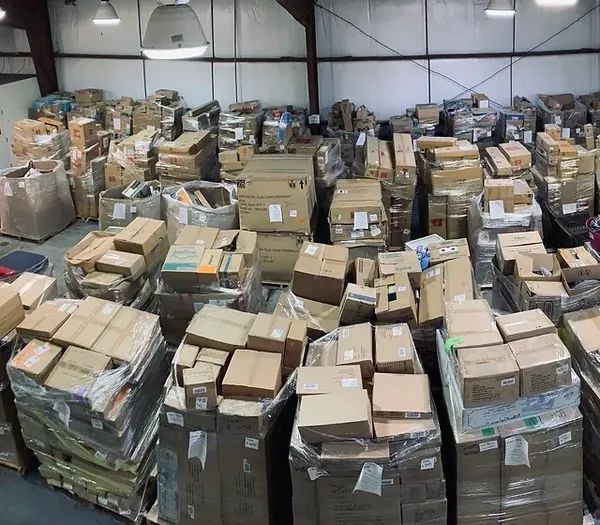
- Buying liquidation pallet can be a good way to launch a reselling business or side hustle (not foolproof). New resellers often make expensive mistakes that eat into profits or turn into complete losses.
- Here are the top 7 pitfalls to avoid, and how to flip pallets the smart way:
1. ❌ Buying Without Researching the Supplier
Not all liquidation pallet sources are equal. Some suppliers mix low-quality or unsorted returns, leaving you with pallets of unsellable junk.
The supplier makes or breaks your profit. Know who you're buying from, and what you're getting.
Reseller Wisdom✔️Do this instead:
Stick to verified liquidation marketplaces with reviews. Ask for manifest files when possible.
2. ❌ Chasing Big Brands Blindly
Big names like Amazon, Target, or Walmart sound exciting but not all pallets are worth it sometimes you’ll get low value items or broken merchandise.
✔️Do this instead:
Check product condition categories (shelf-pulls vs. returns) and ensure the MSRP justifies the cost.
3. ❌ Not Understanding shipping costs
Pallets can be cheap, but shipping can kill your margin if not calculated properly.
Profit lives in the numbers. Always factor in shipping before clicking buy. QuickLiquidate Tip✔️Do this instead:
Use shipping calculators or buy local to avoid freight surprises.
4. ❌ Ignoring the Manifest (Or Lack of One)
A manifest shows what’s in the pallet and is your first tool to estimate.
✔️Do this instead:
If no manifest is available, treat it as a high-risk mystery box. Start small or stick with manifested pallets
5. ❌ Selling on the Wrong Platforms
Every resale item has an ideal platform: eBay, Facebook Marketplace, flea markets, or Amazon.
The platform you choose is your profit partner. Meet your buyers where they are. Liquidation Hustler✔️Do this instead:
Match the product type with the most relevant resale channel.
6. ❌ Poor Product Testing Before Resale
Trying to resell broken or defective tools (like Milwaukee, DeWalt) can lead to returns, bad reviews, and platform bans.
✔️Do this instead:
Test all electronics and power tools before listing. Offer transparency in descriptions.
7. ❌ Not Reinvesting Profits Strategically
Making money is good but scaling requires discipline.
✔️Do this instead:
Reinvest a portion of profits into new pallets, tools, or marketing to grow consistently.
✅ Conclusion
Starting your resale journey with liquidation pallets can be profitable, but only if you avoid these common traps. By researching suppliers, understanding costs, and building smart strategies, you'll stand out in a crowded market