
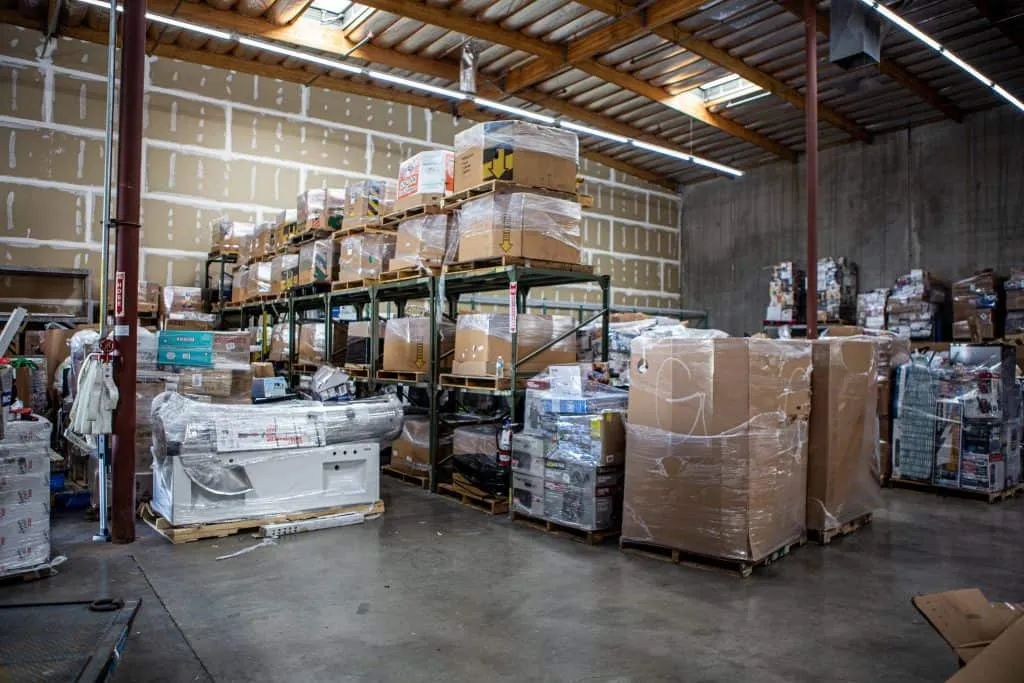
Not every liquidation pallet is worth your money.
Some are goldmines. Others? Dead weight.
So how do you tell the difference especially if you’re just getting started?
Here’s a simple framework for evaluating pallets before you buy, so you don’t get stuck with boxes you can’t flip.
1. Check for a Manifest and Know What to Look For
A manifest is a list of what’s inside the pallet: product names, categories, quantities, and often MSRP values.
Look for:
- Recognizable brands (Milwaukee, DeWalt, Ryobi, etc.)
- Consistent categories (all tools, all electronics not a random mix)
- Total estimated retail value
💡 If the MSRP total is 4–6x the pallet cost, and items are in demand, that’s usually a good sign.
2. Understand the Condition Labels
Not all returns are the same. Know the difference:
| Condition | What It Means |
|---|---|
| New | Unopened, unused |
| Shelf Pulls | Removed from shelves, still new |
| Returns | Used or tested by customers |
| Salvage | Damaged or incomplete items |
Stick to *new, **shelf pulls, or *lightly returned loads unless you have repair experience.
3. Ask for Photos or Lot Previews
Good sellers should be willing to show photos or example loads. These tell you:
- Packaging condition (damaged boxes may reduce resale value)
- Brand visibility (are they name brands or generics?)
- Quantity of small vs. high-ticket items
4. Calculate All-In Cost (Not Just the Pallet Price)
Many beginners overlook this. The pallet might cost $500 but what about:
- Freight?
- Handling or forklift fees?
- Local warehouse pickup?
🚚 A $500 pallet can quickly become a $750 mistake if you don’t account for logistics.
5. Know Your Buyers Before You Buy
Who are you selling to? Facebook Marketplace buyers? Tool collectors? eBay flippers?
Example:
If you’re targeting tool buyers, a pallet with 20 Ryobi drills is much easier to move than a mixed load of random gadget returns.
“If you don’t know who’s buying, you won’t know what to buy.” QuickLiquidate Insight
6. Start Small Then Scale
Don’t jump into multi-pallet truckloads on Day 1.
Start with a single load, flip it, take notes, and repeat.
Look at:
- Sell-through rate
- Time to recoup investment
- Buyer feedback
Use that info to fine-tune your next purchase.
Final Word
Spotting a profitable pallet isn’t luck it’s a skill. The more research and pattern recognition you build, the easier it becomes to separate the good loads from the guesswork.
You don’t need to hit a home run on every pallet. But you do need to avoid duds that drain your cash and your confidence.
👇 Need Help Sourcing?
We publish verified, high-margin pallets weekly.
See what’s in stock now →