
Buying your first liquidation pallet can be exciting but it’s also where many new resellers make mistakes. If you’re just getting started, it helps to slow down, ask the right questions, and understand what you’re really buying.
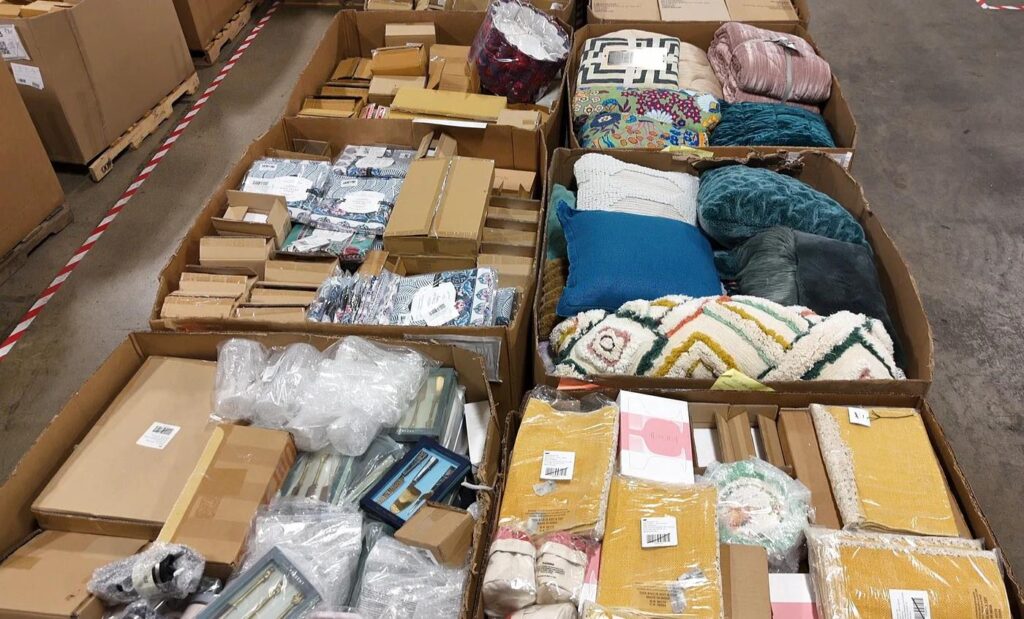
Here’s a breakdown of what to check before you click “buy.”
1. Understand the Source of the Inventory
Not all liquidation pallets are the same even if they look similar online.
Ask yourself:
- Is this a *returns pallet, shelf pull, or overstock?
- Did it come from a major retailer (like Amazon, Target, or Walmart)?
- Is the manifest clear and recent?
If you don’t know where it came from, you don’t know what you’re getting.
2. Review the Manifest – If It’s Available
A manifest is a list of what’s inside the pallet. Some are detailed with item names, conditions, and prices. Others might be vague or completely missing.
Look for:
- Brand names or model numbers you can research
- Quantity of items
- Estimated retail or resale value
No manifest? Then assume there’s more risk and price accordingly.
3. Look for Actual Photos, Not Just Stock Images
Real sellers will often include warehouse or pallet images, not just product stock photos. These give you a better sense of item condition, packaging quality, and how the lot is handled.
If all you see are perfect product images, be cautious especially if the deal seems too good to be true.
4. Don’t Ignore the Shipping Cost
Pallets are heavy. Even if you find a “cheap” pallet, freight can easily add $150–$300 or more depending on the distance and shipping method.
Check:
- Is shipping included?
- Is it residential or commercial delivery?
- Do you need a liftgate?
Factor this into your budget before comparing prices.
5. Know What You Can Actually Sell
Some pallets include items that are difficult to move or have strict resale limits. This is especially true with:
- Cosmetics and beauty products (expiration dates)
- Electronics (missing parts or cracked screens)
- Private-label brands that people don’t search for
Start with items you’re familiar with or know how to move locally.
Final Tip: Start Small and Track Everything
It’s tempting to jump into a truckload deal, but most successful resellers started small. Buy one pallet, track your numbers, and learn what sells. Then scale from there.
It’s not about finding a perfect pallet. It’s about understanding what kind of inventory works for you.