Understand the difference between shelf pulls and customer returns so you can buy liquidation lots with confidence and price your inventory correctly.
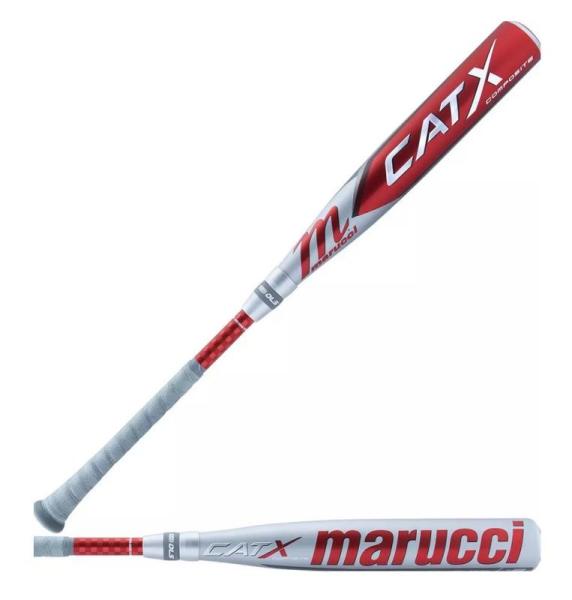
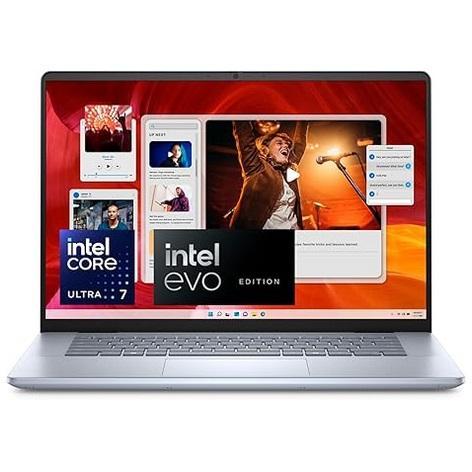
Liquidation inventory generally falls into a handful of conditions, and the two you'll see most often are shelf pulls and customer returns. Shelf pulls were stocked for sale but never sold - they're typically in like-new condition with packaging that may show light handling. Customer returns were sold and brought back, so functionality and packaging vary more widely.For resellers, the practical takeaway is simple: shelf pulls usually command higher resale prices and need less testing, while returns offer lower cost-per-unit and bigger upside if you're willing to test and sort. Match the condition to your sales channel and you'll protect your margins.